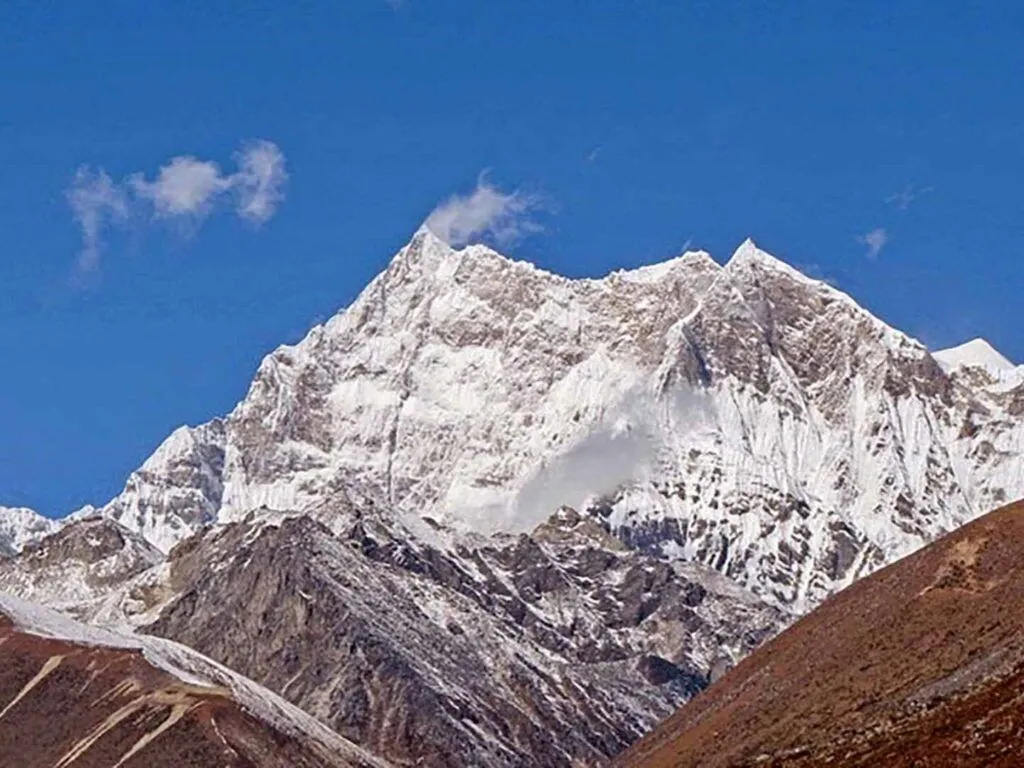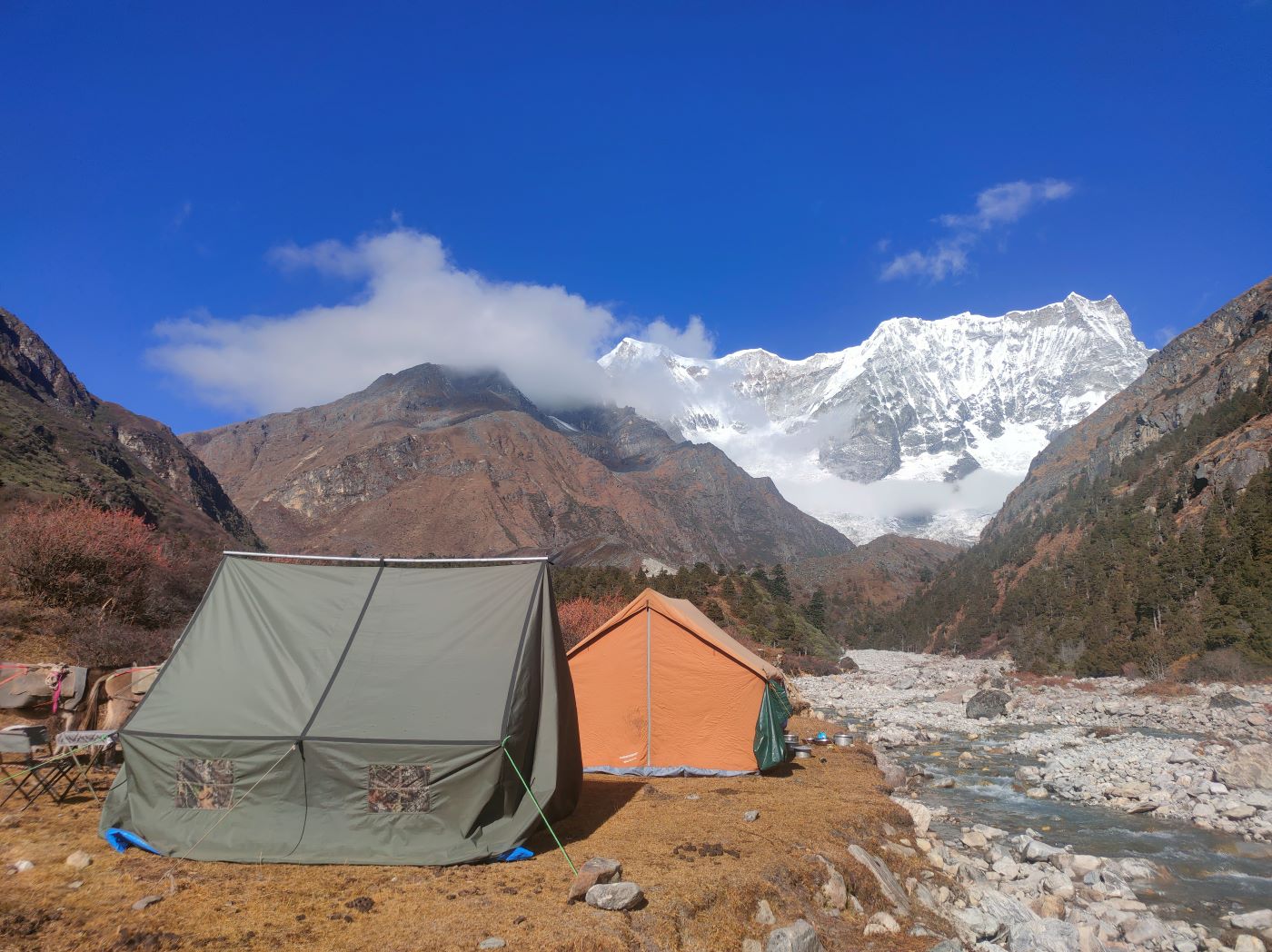

About 50 million years ago, the tectonic plates of India and Eurasia collided, giving rise to the world’s mightiest mountain range, the Himalayas. Within this geological phenomenon, Bhutan emerged some thousands of years ago, its settlers among the first to walk this part of earth now famously dubbed the “Third Pole” or the “Abode of Snow”.
Trans-Bhutan Trail is a celebration of not just Bhutan’s past but of what the entire eastern Himalayas represents to mankind – its breathtaking landscapes, pristine ecology, awe-inspiring ethos and a way of life largely unsoiled by modernization. A case in point: the Eastern Himalayas harbor 10,000 plant species, 240 mammal species and 750 bird species. But to traverse Trans-Bhutan Trail, a 403 km-journey spanning Haa in the west to Trashigang in the east already considered one of the world’s greatest walks and one of the best hiking routes in Asia, is not just about enjoying the bounties of nature.
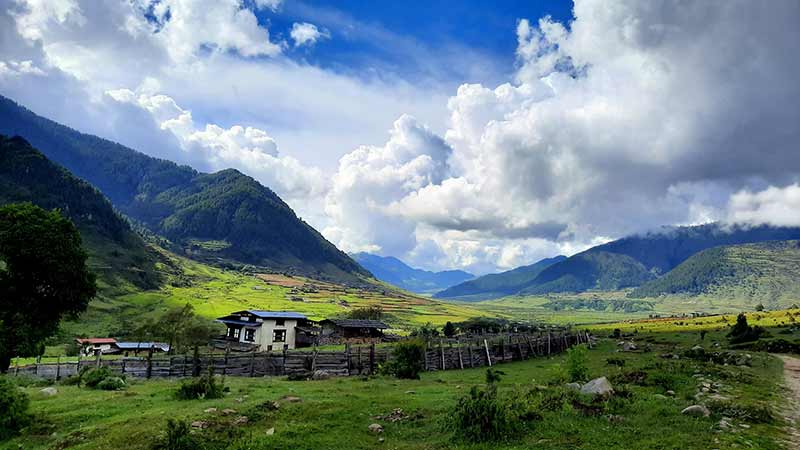
It is also about going back in time and reliving the experiences of pilgrims, messengers, merchants, soldiers and common folks who trod this trail as they built and sustained a nation which proudly is the home of Gross National Happiness (GNH) and “Champion of Earth” today.
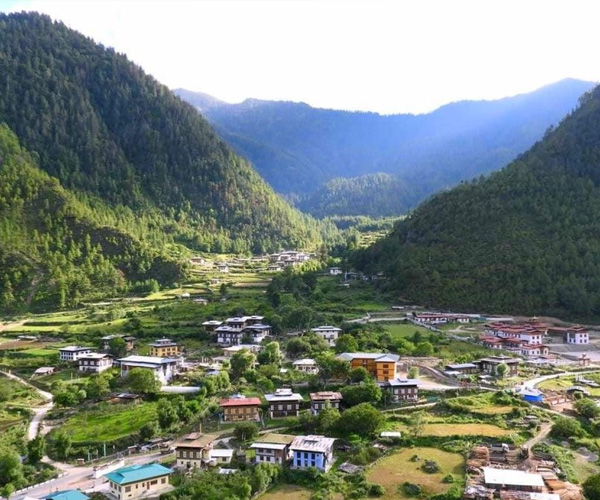
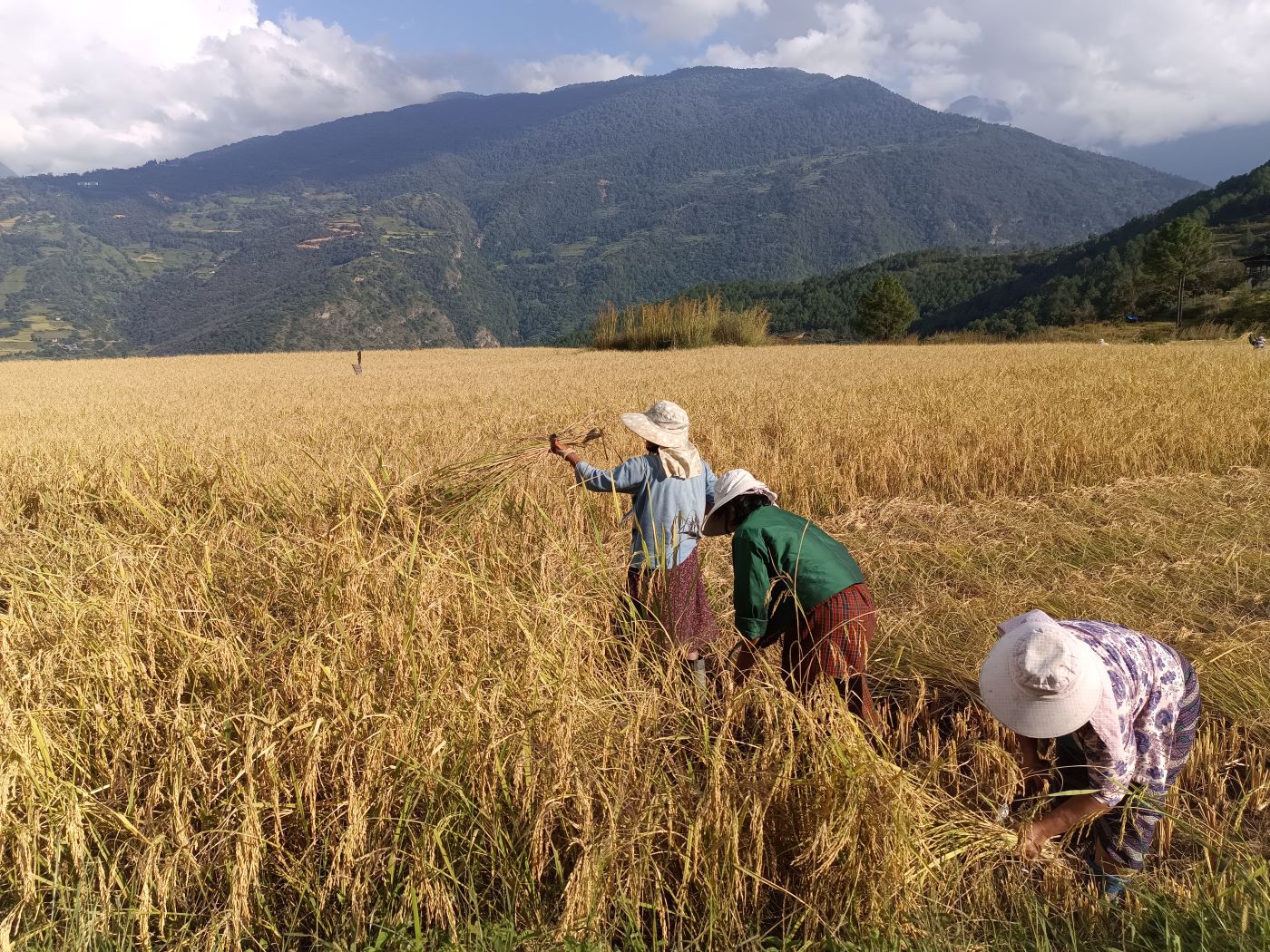
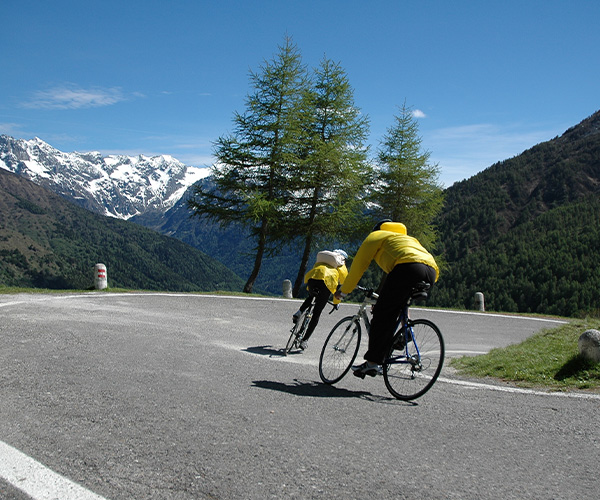
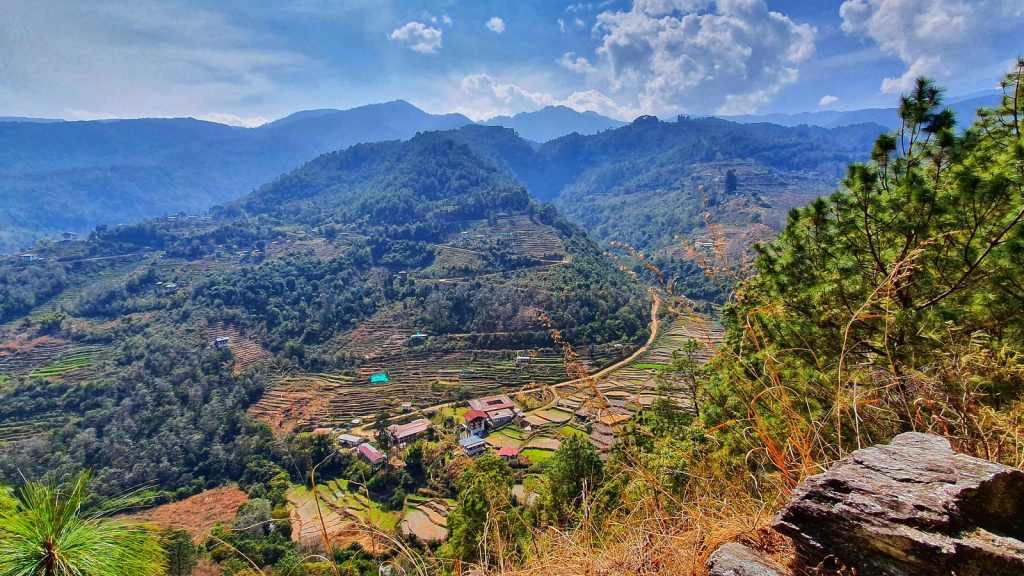
Walk or run or bike, one passes through 27 geographical blocks, four castle-fortresses, 21 temples, 12 mountain passes, 15 suspension and cantilever bridges, and over 100 Buddhist stupas alongside diverse terrains, lush rice paddies, rhododendron forests, pristine wilderness, remote villages and bustling towns.